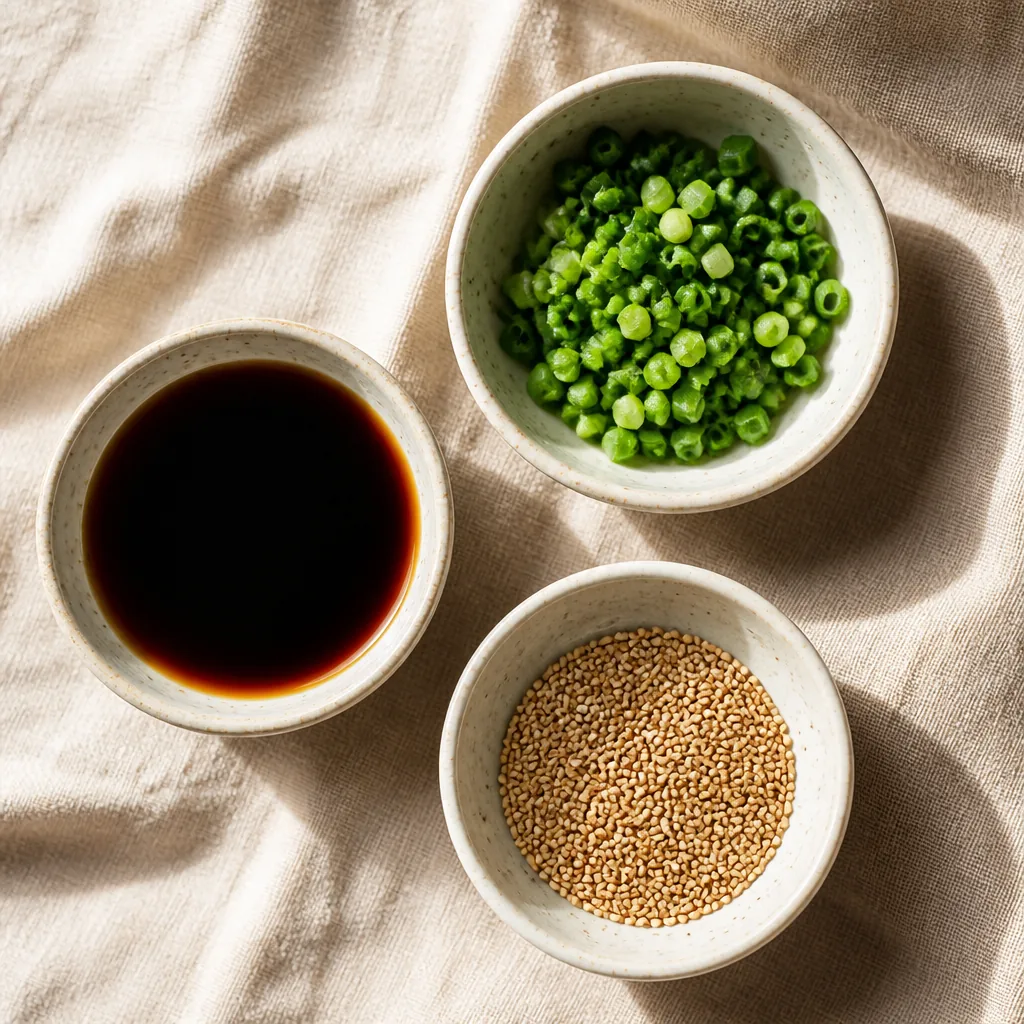
The complaint that tofu is bland is really a complaint about seasoning, not about tofu. On its own, a block of tofu or a cake of tempeh is close to a blank page — mild, faintly beany, waiting. That blankness is exactly why soy foods are so good to cook: they take on whatever flavour you give them, cleanly and without argument, which means the outcome is entirely in your hands. The catch is that a blank canvas needs bold, well-placed strokes. Under-season soy foods the way you might a naturally savoury ingredient and they taste of very little; season them generously and thoughtfully, at the right moments, and they turn into the most satisfying thing on the plate. Good seasoning of tofu and tempeh comes down to three ideas — reach for salt and umami, brighten with acid and heat, and put the flavour where you will actually taste it. Get those working together and the word bland never comes up again.
Lean hard on salt and umami
Salt is the foundation, and soy foods need more of it than you might expect because they start with so little of their own. But plain salt is only the beginning. The real depth comes from umami — the savoury, mouth-filling quality that makes food taste complete. The soy world is rich in it, and these are your workhorses:
- Soy sauce and tamari — salt and umami in one splash, the natural partner to soy foods.
- Miso — a spoonful whisked into a marinade or sauce brings a deep, rounded savouriness.
- Nutritional yeast — a savoury, faintly cheesy hit that clings well to crisp surfaces.
- Mushrooms, tomato, or a dab of yeast extract — other easy routes to that same savoury depth.
Combine two or three of these and you build layers rather than a single flat note. That layering is what separates a memorable plate of tofu from a merely salty one.
Brighten and lift
Salt and umami give you depth, but a plate needs contrast or it turns heavy and one-note. Acid does that job. A squeeze of lime or lemon, a splash of rice vinegar, a spoon of a tangy sauce — any of these cuts through the richness and makes the whole thing taste livelier. Add most acid near the end or at the table so it stays bright. Heat and aromatics do similar lifting: chilli, garlic, ginger, spring onion, and toasted spices all give soy foods a personality they do not have on their own. A little sweetness — a touch of maple, sugar, or a sweet chilli — rounds sharp edges and, cooked onto a surface, helps things caramelise.
Timing: when to season
When you season matters as much as what you use. There is a simple divide:
Before cooking — press and marinate to get flavour toward the inside. This is where salt and umami sink in a little, especially with cubed or frozen-and-thawed tofu that has room to absorb. Give it time and a marinade with body so it clings.
During and after cooking — this is where surface flavour and browning happen. Hold the sugary, saucy seasonings until the surface has crisped, then add them so they glaze on rather than stopping the browning. And season again at the very end: a final pinch of salt, a squeeze of acid, a scatter of fresh herbs or spring onion and toasted sesame right before serving wakes everything up.
Put flavour where you taste it
Here is the idea that ties it together. Because soy foods absorb flavour slowly and mostly at the surface, the outside is where most of your seasoning lives and where your tongue first lands. That is why a crisp, dry surface is worth chasing — it grips glazes and clinging sauces far better than a wet one, and it concentrates flavour right where you meet it. Season the surface generously: coat crisped tofu in a sticky sauce, dust it with something savoury, finish with salt and a bright note. A well-seasoned exterior does more for the eating than a marinade that only barely made it past the skin.
A few reliable combinations
If you want somewhere to start, these pairings rarely miss:
- Soy, garlic, ginger, and a little maple — the everyday savoury-sweet glaze.
- Miso, sesame oil, and rice vinegar — deep, nutty, and bright.
- Chilli, lime, and a splash of soy — sharp, hot, and fresh.
- Smoked paprika, tomato, and a touch of sweetness — a barbecue lean for tempeh.
None of these are fixed recipes; they are shapes to improvise around. Once you internalise the pattern — salt and umami for depth, acid and heat for lift, sweetness to round, all placed on a surface ready to hold it — you can season any soy food by taste and instinct. That, more than any single ingredient, is what makes tofu and tempeh worth craving.